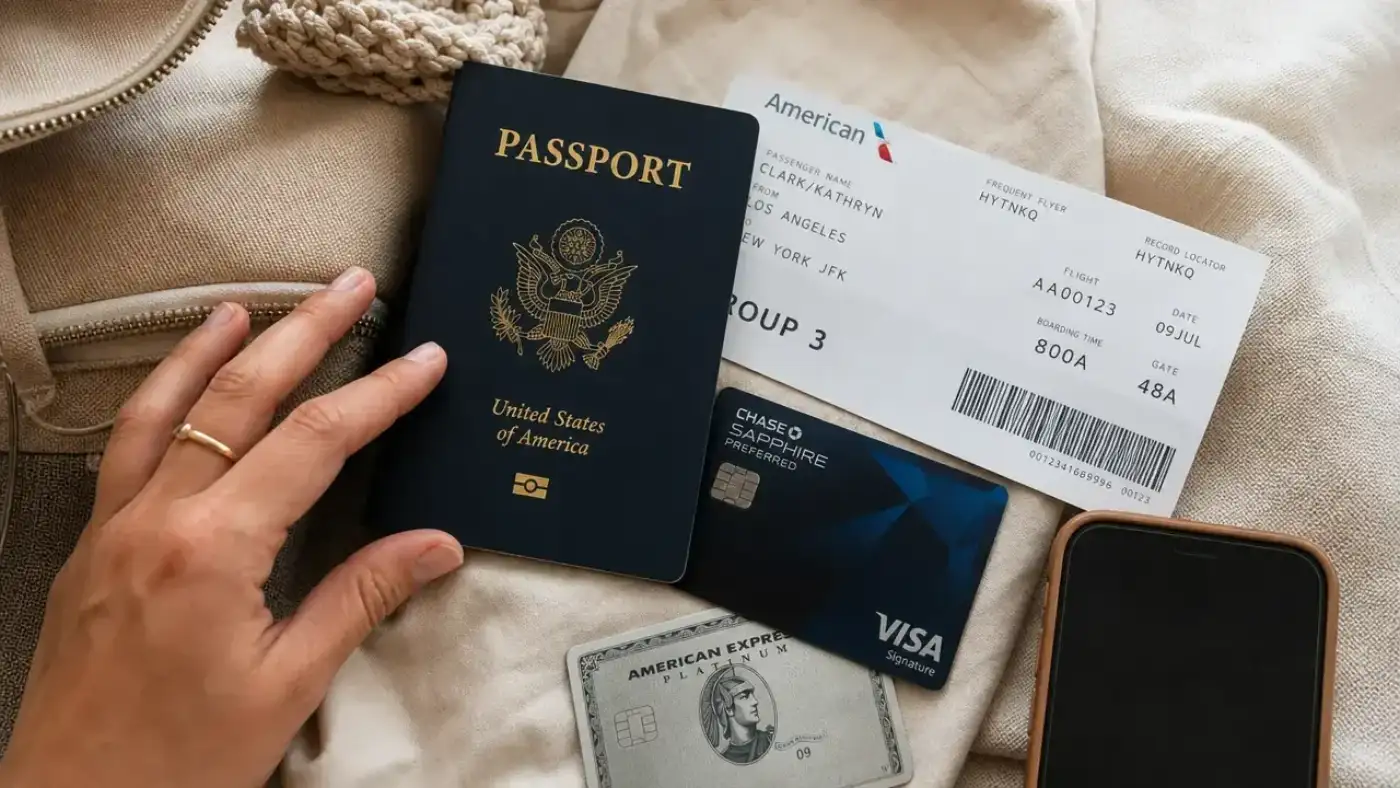
I drove long-haul rigs for thirty-one years before I retired and started traveling for pleasure. In that time I learned that most problems on the road are not bad luck. They are predictable, and most of them are preventable if you do a little homework before you leave. Losing a passport abroad is one of those problems. I have talked to travelers at hostels and airports who burned three days of a two-week vacation sitting in embassy waiting rooms because their passport got lifted in a train station or a crowded market. Every single one of them said the same thing afterward: I knew I should have been more careful.
This guide covers what I actually do, step by step, to keep my passport, cards, and cash safe on every trip. It is not complicated. It does not require expensive gear. But it does require a few deliberate habits that most people skip because they assume it will not happen to them. Spoiler: the people at that embassy waiting room said the same thing before their trip.
Stop carrying your passport in your back pocket. Here is the travel wallet I use.
The VENTURE 4TH neck wallet holds a full-size passport plus four cards and cash, sits flat under a shirt, and blocks RFID signals on all your cards. Over 12,000 travelers have rated it 4.6 stars. It is the single piece of gear I recommend to every first-time international traveler.
Amazon Check Today's Price on Amazon →Step 1: Understand Where the Real Risks Actually Are
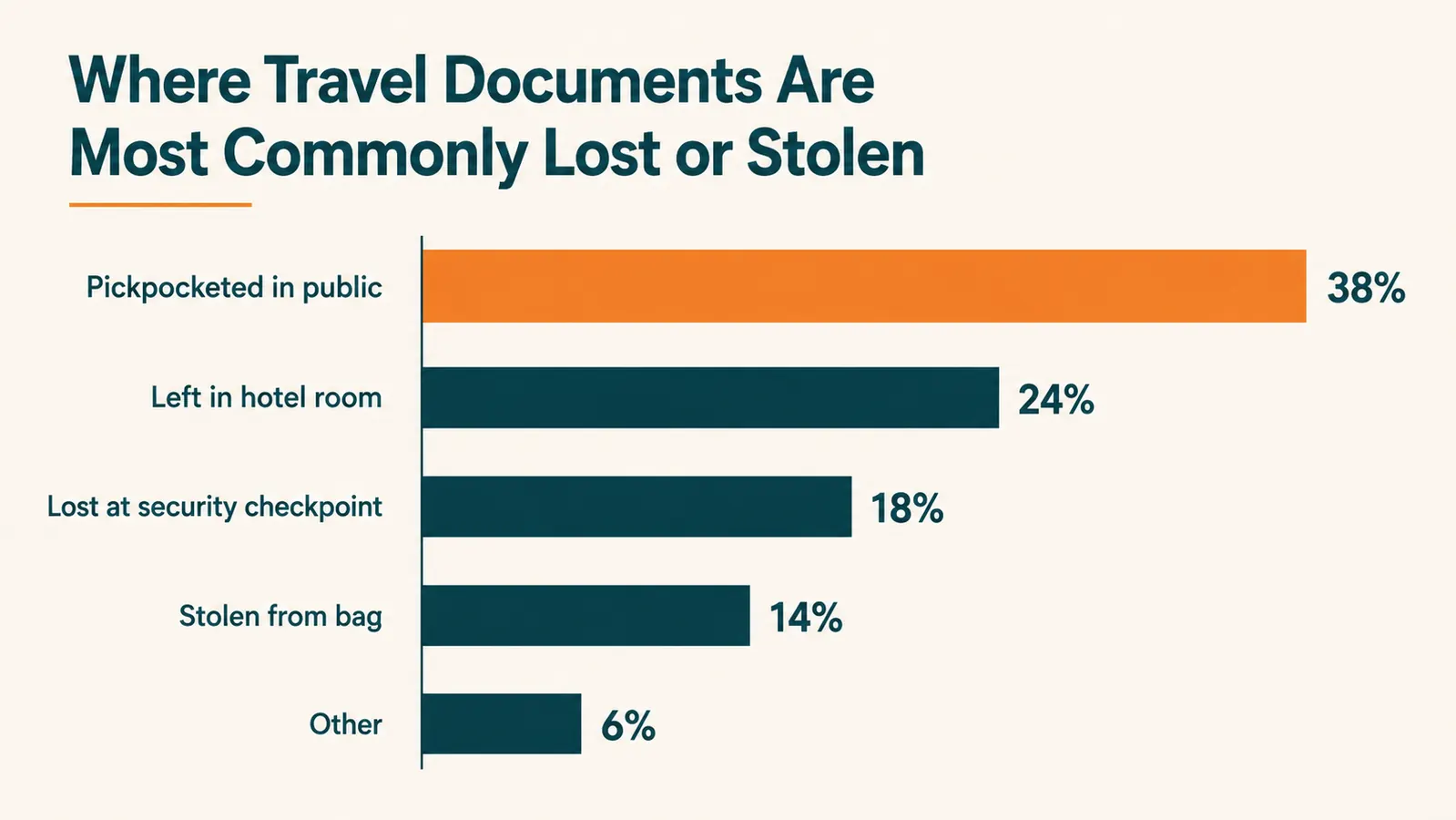
Before you can protect something, you have to understand what you are protecting it from. There are two main threats to your documents and cards when you travel: physical theft and electronic theft. Physical theft is exactly what it sounds like. Someone reaches into your bag, your jacket pocket, or your back pants pocket and takes your stuff. This happens most often in crowded spaces: train platforms, subway cars, outdoor markets, popular tourist sites, and anywhere a big tour group is moving slowly. Pickpockets are professionals. They work in teams, they create distractions, and they are very fast.
Electronic theft, which most people call RFID skimming, is less dramatic but worth understanding. Modern credit cards and some passports contain RFID chips that transmit data wirelessly. A thief with a small handheld reader can theoretically capture that data from a few inches away, often without you noticing. The risk varies by location and the technology the thief is using, but the defense is cheap and simple. An RFID-blocking travel wallet or passport holder stops the signal from ever leaving the card. Once you understand both threats, you can build a plan around them.
The third risk that people overlook is misplacement. Not theft, just leaving your passport in a hotel room safe and forgetting the code, or setting your travel wallet on the airport security conveyor and walking off without it. Simple organizational habits eliminate this risk almost entirely, and I will cover those in Step 4.
Step 2: Choose the Right Carry Method for Your Passport
Your carry method matters more than any other decision you make about document security. There are a few options out there: money belts that go around your waist under your clothes, hidden pockets sewn into travel pants, wrist wallets, and neck wallets. I have tried most of them over the years. The waist money belt works fine, but it is bulky, it rides up when you sit, and in warm weather it gets sweaty fast. Hidden trouser pockets are great until you have to access your documents in a hurry and you are fumbling with a zipper inside your pants leg at a security checkpoint.
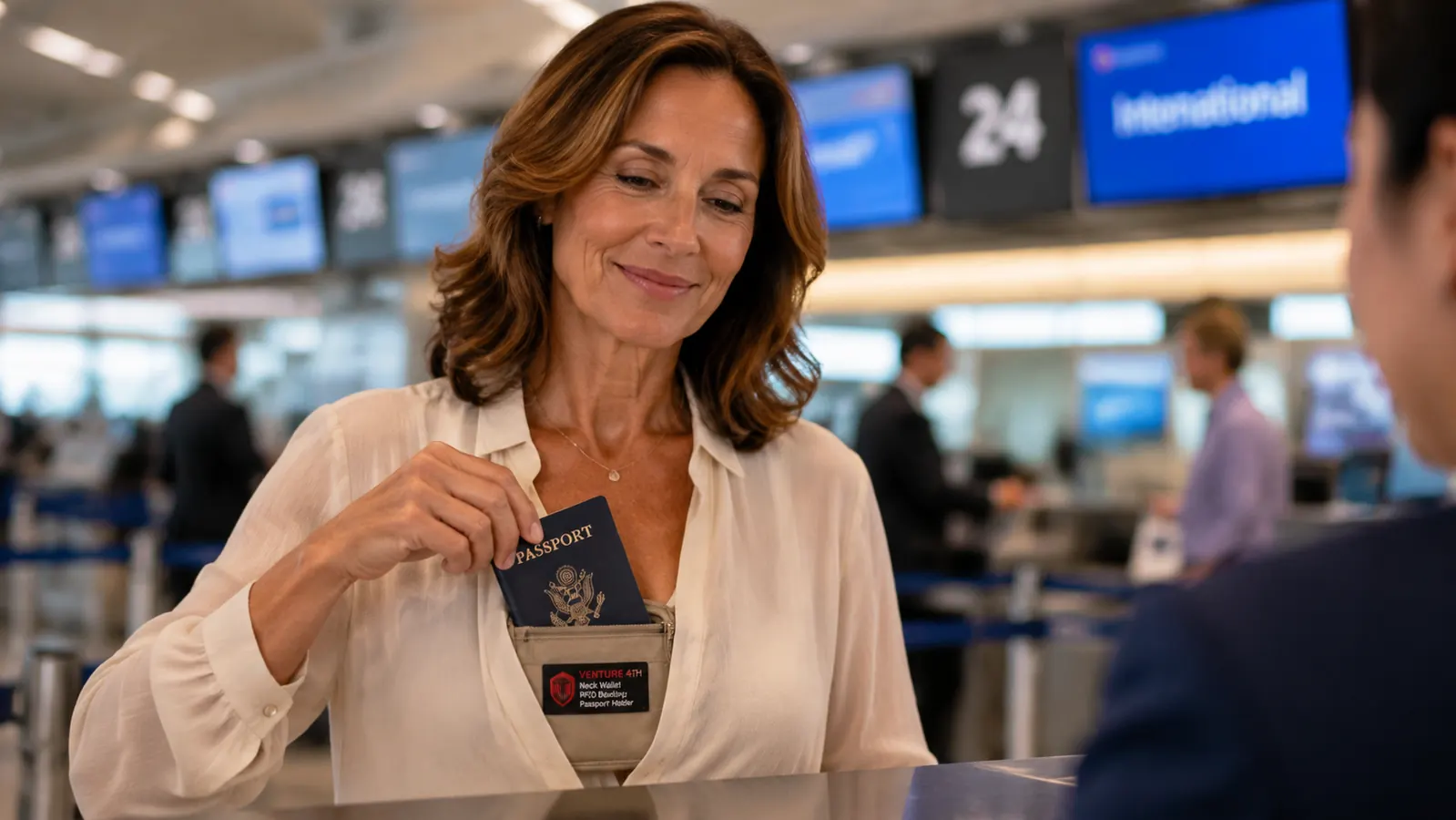
What I landed on, and what I have stuck with for the last four years of travel, is a neck wallet worn under my shirt. Specifically, the VENTURE 4TH RFID neck wallet. It holds my passport flat, fits four cards in separated sleeves, and has a small zippered pocket for folded cash. The strap is long enough to sit comfortably against my chest under a shirt, and the profile is slim enough that it does not print through a button-down or a light jacket. It handles both threats at once: the passport is concealed from pickpockets and the RFID blocking liner keeps my cards from being scanned.
Whatever method you choose, the key principle is the same: your primary documents should be on your body, not in a bag. Bags can be snatched, set down, forgotten, or cut. A neck wallet or money belt stays with you because it is part of what you are wearing. That distinction matters a lot in a busy market or a crowded train.
Step 3: Set Up an RFID Defense for Your Cards
If your travel wallet does not have RFID blocking built in, your cards are broadcasting their data every time someone with a reader gets close enough. Most good-quality neck wallets and passport holders now include RFID-blocking material in their construction. The VENTURE 4TH neck wallet uses a multi-layer lining that is tested to block the 13.56 MHz frequency used by most modern contactless payment cards and the e-passport chip. You do not have to do anything special. You just put your cards in the wallet and they are protected.
If you already have a wallet you like and do not want to replace it, you can buy individual RFID-blocking card sleeves that slide over each card. They are not as convenient as an integrated solution, but they work. The point is not to create perfect security, it is to make yourself a harder target than the person next to you who has not thought about this at all. Criminals, like most opportunistic people, go for the easy score.
Step 4: Create a Backup System Before You Leave Home
This is the step most travelers skip, and it is the one that turns a catastrophe into a manageable inconvenience. Before every international trip, I do three things. First, I photograph both the front data page of my passport and the entry visa page, then I email those photos to myself and save them to a secure cloud folder. Second, I make two paper photocopies of the passport data page. One copy stays in my checked bag or main luggage. The other I hand to my wife or a trusted person back home. Third, I write down the local U.S. embassy phone number and address for every country I am visiting and keep that on a folded card in my neck wallet.
The reason this matters is simple. If your passport is stolen, the embassy needs to confirm your identity to issue an emergency travel document. Having a clear photocopy or digital photo of your passport data page speeds that process up considerably. Travelers who show up with nothing face a much longer wait. The backup card in your luggage also means you have all your account numbers if you need to cancel cards or contact your bank while abroad.
While you are at it, call your bank and your credit card company before you travel. Tell them which countries you are visiting and the dates. This takes five minutes and prevents your card from being flagged and frozen when you try to use it at a restaurant in Barcelona. Keep two separate payment methods with you: one in your neck wallet and a backup card stored somewhere else in your luggage, in case you do lose access to your primary wallet for any reason.
The best travel security is boring. It is the same habits, every trip, until they are automatic. That is how you go thirty years on the road without losing anything important.
Step 5: Build Daily Habits That Make Security Automatic
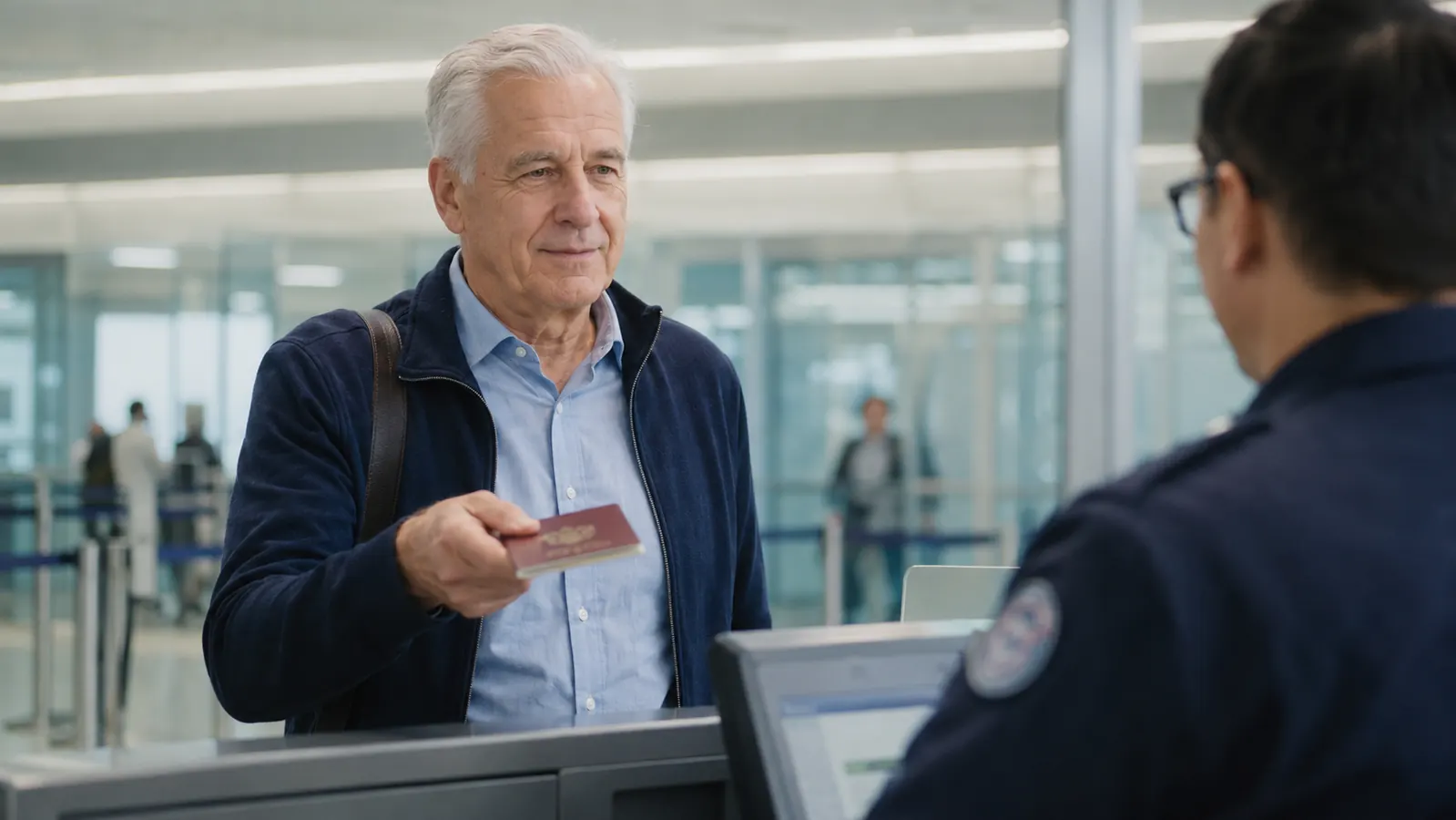
Having the right gear only helps if you use it consistently. The habits are simpler than people expect. When I put on my neck wallet in the morning, I run a quick mental checklist: passport in the main pocket, two cards in the card slots, folded cash in the small zip pocket. That takes about fifteen seconds. When I go through airport security, the neck wallet comes off, goes in my jacket, and the jacket goes through the X-ray. The wallet never gets placed loose on the belt. That small habit has kept me from walking off and leaving it behind at a checkpoint, which is easier to do than you would think after a red-eye flight.
In crowded situations, I keep one hand lightly on my chest over the wallet when I am in a tight press of people. Not in a panicked way, just a natural hand-on-chest posture that makes it harder for anyone to reach under my shirt. In restaurants and cafes, I never hang my bag on the back of a chair where I cannot see it. If I set a bag down, it goes between my feet or in my lap. These are not paranoid habits. They are just the same situational awareness I used for thirty years of watching freight. You know where your cargo is at all times.
One more habit worth building: a quick end-of-day check. Before bed, I confirm the passport is in the neck wallet, the wallet is in my bag, and the backup documents are where I left them. It takes twenty seconds. On one trip to Portugal, that habit caught me before I had left my passport on the hotel room desk for a day out. The chain is only as strong as your daily routine.
What Else Helps
Beyond the core five steps, a few additional layers can tighten things up depending on where you are going. If you are heading somewhere with a known pickpocket problem, consider a slash-resistant bag for your day pack. These have cut-resistant straps and panels woven into the fabric so a thief cannot just slash the strap and run. Brands like Pacsafe make good ones. For electronics and larger valuables, a portable TSA-approved cable lock lets you secure a bag to a fixed object in a hostel or a train seat. It will not stop a determined thief, but it will stop a casual one.
If you are traveling solo, share your itinerary with someone at home. Send them your hotel addresses, flight numbers, and the embassy contact information for each country. This is not a security tool exactly, but it is a safety net. If something goes wrong and you need help fast, someone back home knows where you are supposed to be and can reach the right people. I text my son a quick itinerary note before every international departure. It costs me two minutes and it has given me peace of mind on every trip.
For more detail on which neck wallet I trust most after testing several, see my long-term review of the VENTURE 4TH. And if you are comparing options before you buy, the head-to-head between the VENTURE 4TH and the HERO neck wallet will walk you through the differences side by side. The links are at the bottom of this page.
The neck wallet that checks every box: RFID blocking, full passport fit, slim profile, budget-friendly.
The VENTURE 4TH passport holder has over 12,000 reviews and a 4.6-star rating for good reason. It is the travel wallet I reach for on every international trip. Check today's price before your next departure.
Amazon Check Today's Price on Amazon →